


Beating the market for a year is luck. Beating it for decades is nearly impossible. Only a handful of names have done it, and their numbers are so extraordinary they deserve a closer look: over what period, before or after fees, and with how much capital?
This article reviews the records of ten legendary investors and draws out what they really teach. One caveat first: this is not a scientific ranking. Periods, vehicles (company, fund, endowment) and measures (gross or net) differ, so the figures aren’t directly comparable.
The 10 in numbers
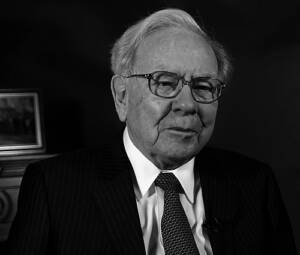 1. Warren Buffett · Berkshire Hathaway · 1965–2025. A compound annual gain of 19.7% against 10.5% for the S&P 500 with dividends, according to Berkshire’s 2025 letter. Per-share value rose 6,099,294% versus 46,061% for the index, roughly 132 times more. Caveat: in 2025 Berkshire gained 10.9% against 17.9% for the S&P 500. The edge was built from decades of small compounded differences, not from winning every year. It is the longest record on the list.
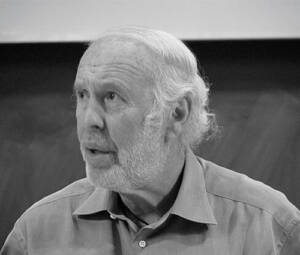 2. Jim Simons · Medallion Fund · 1988–2018. According to biographer Gregory Zuckerman, 66.1% a year gross and 39.1% net, after fees of 5% management and 44% performance. It is the highest documented return in history. Caveat: these are arithmetic averages, the fund is closed to outside investors and its size is capped (around $10 billion). It lost 4.1% in 1989. It is a record nobody can buy.
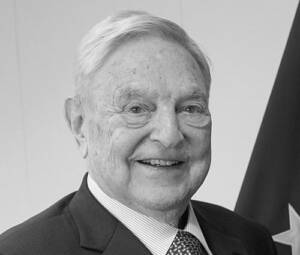 3. George Soros · Quantum Fund · 1970–2000. The most-cited figure is about 30% a year, though other sources put it near 20% depending on the period. His most famous trade: more than $1 billion in a single day betting against the pound on 16 September 1992. Caveat: he also lost around $600 million speculating on the yen in February 1994.
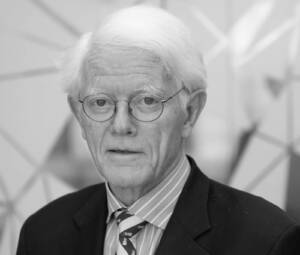 4. Peter Lynch · Fidelity Magellan · 1977–1990. 29.2% a year, taking the fund from $18 million to $14 billion in assets. He beat the S&P 500 in 11 of 13 years, while the index returned roughly 15–16% a year. Caveat: he started with a tiny fund. With billions, repeating it is nearly impossible.
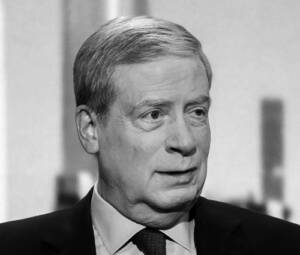 5. Stanley Druckenmiller · Duquesne · 1981–2010. Close to 30% a year for three decades with no losing year, according to Reuters and Bloomberg. He closed the fund in 2010, explaining that managing more than $10 billion strained his performance standard. A telling admission about size.
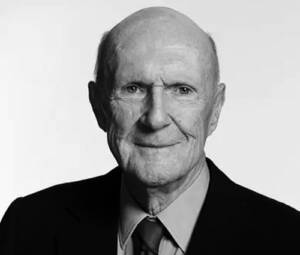 6. Julian Robertson · Tiger Management · 1980–1998. 31.7% a year net versus 12.7% for the S&P 500: from $8.8 million to about $21 billion. Caveat: he lost 4% in 1998 and 19% in 1999, saw billions withdrawn and closed the fund in March 2000.
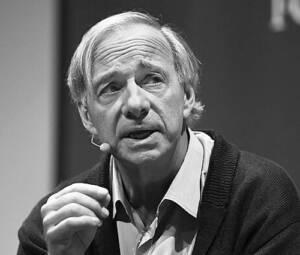 7. Ray Dalio · Bridgewater Pure Alpha · since 1991. 11.4% annualised since inception per 2022 data, with only four losing years in almost three decades. Caveat: between 2012 and 2019 it returned around 4% a year, and in the first half of 2022 it gained 32% while the S&P 500 fell nearly 20%. Uneven returns, but with low correlation to equities.
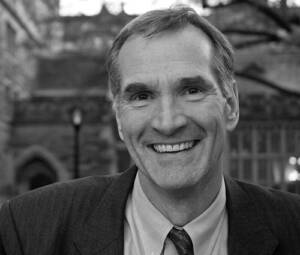 8. David Swensen · Yale University · 1985–2021. 13.7% a year over 36 years, 3.4 points above the average college endowment. Through June 2020, 13.1% versus 8.8% for a 60/40 portfolio. Caveat: it fell 24.6% in 2009, and his model relies on illiquid assets and multi-decade horizons that are hard for an individual to copy.
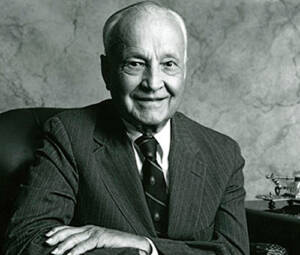 9. John Templeton · Templeton Growth Fund · 1954–2004. 13.8% a year versus 11.1% for the S&P 500, per a compilation of investor records. Less spectacular, but sustained for half a century. It shows that beating the market by two or three points a year for decades is already extraordinary.
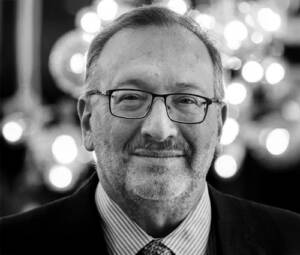 10. Seth Klarman · Baupost · 30+ years. A 17% net annualised return over more than three decades is often cited, a figure circulated in compilations and not publicly audited, since Baupost is a private fund. He is known for his margin-of-safety discipline and for holding cash when he finds nothing attractive.
What the results really say
1. Time matters more than the percentage. The gap between Buffett’s 19.7% and the index’s 10.5% looks modest, yet after 60 years it means 132 times more wealth. Compounding rewards consistency, not stellar years.
2. Size is the great enemy of returns. Simons capped Medallion, Druckenmiller closed his fund and Lynch ran $18 million before running $14 billion. The more capital, the harder it is to keep the edge. That is why the best records often belong to small or closed funds.
3. Everyone has bad years. Robertson lost 19% in 1999, Dalio went years without shining, Soros lost hundreds of millions on the yen and Buffett trailed the index in 2025. Anyone promising returns without losses is selling something else.
4. These lists suffer from survivorship bias. We know the winners because they won. For every Buffett there were thousands of managers who never made it through the cycle. Looking at the numbers in hindsight makes it seem easier than it was.
5. Even Buffett recommends indexing. In his 1996 letter he wrote that the best way to own stocks is a low-cost index fund, and in 2013 he said his wife’s inheritance would go 90% into an S&P 500 fund. The paradox: the greatest investor advises almost everyone not to try to imitate him.
What investors can learn
- Lower fees, higher returns. Medallion’s fees took almost half the gross return. Always watch costs.
- Think in decades. Advantages accumulate over time; impulsive decisions destroy them.
- Be sceptical of extraordinary returns. Ask about period, fees, size and whether it’s accessible.
- Diversify. Not even the best were always right; a diversified portfolio reduces the risk of not surviving.
- Know your limits. Imitating a manager without his resources, horizon or illiquidity is copying the form without the substance.
Conclusion
The greatest investors don’t share one recipe: Buffett buys businesses, Simons uses mathematics, Soros bets on macro narratives and Swensen builds illiquid portfolios. What they do share is discipline, a long horizon and risk management. The results teach less about what to buy than how to behave: pay little, hold long and distrust what seems too good to be true.
This article is for information only and is not investment advice. Past performance does not guarantee future results. Figures come from public sources and third-party compilations, with differing periods and methodologies.
Fuentes / Sources
- Berkshire 2025 letter figures (1965–2025): https://coinpaper.com/35923/what-if-you-invested-100-with-warren-buffett-in-1964 and https://www.webull.com/news/15508300190655488
- Buffett on index funds (1996 and 2013 letters): https://finance.yahoo.com/markets/stocks/articles/warren-buffett-berkshire-delivered-39-011245841.html
- Simons / Medallion (Zuckerman): https://www.wealthmanagement.com/alternative-investments/jim-simons-built-the-best-hedge-fund-ever and https://www.quantt.co.uk/resources/medallion-fund-history
- Soros / Quantum: https://en.wikipedia.org/wiki/Soros_on_Soros:_Staying_Ahead_of_the_Curve and https://sourcewatch.org/index.php/Quantum_Fund
- Lynch / Magellan: https://en.wikipedia.org/wiki/Peter_Lynch and https://blog.validea.com/breaking-down-the-investment-strategy-of-legendary-fund-manager-peter-lynch/
- Druckenmiller (Reuters): https://www.eleconomista.es/mercados-cotizaciones/amp/2385670/Duquesnes-Druckenmiller-retiring-after-30-years and https://www.financial-planning.com/news/druckenmiller-shuts-hedge-fund-shop
- Robertson / Tiger: https://en.wikipedia.org/wiki/Julian_Robertson and https://www.turtletrader.com/trader-tiger/
- Dalio / Pure Alpha (Bloomberg): https://www.bloomberg.com/news/articles/2022-07-05/bridgewater-flagship-fund-gains-32-through-first-half-of-2022 and https://community.freetrade.io/t/ray-dalio-bridgewater-performance/3823/18
- Swensen / Yale: https://news.yale.edu/2021/10/22/david-swensens-coda and https://obituaries.bowdoin.edu/?p=8655
- Templeton and Klarman (compilation): https://mastersinvest.com/investmentmasters
